 Tribute to Victor Hugo – May 22: The Eternal Voice of France
by FPDieulois :: 2026-05-22
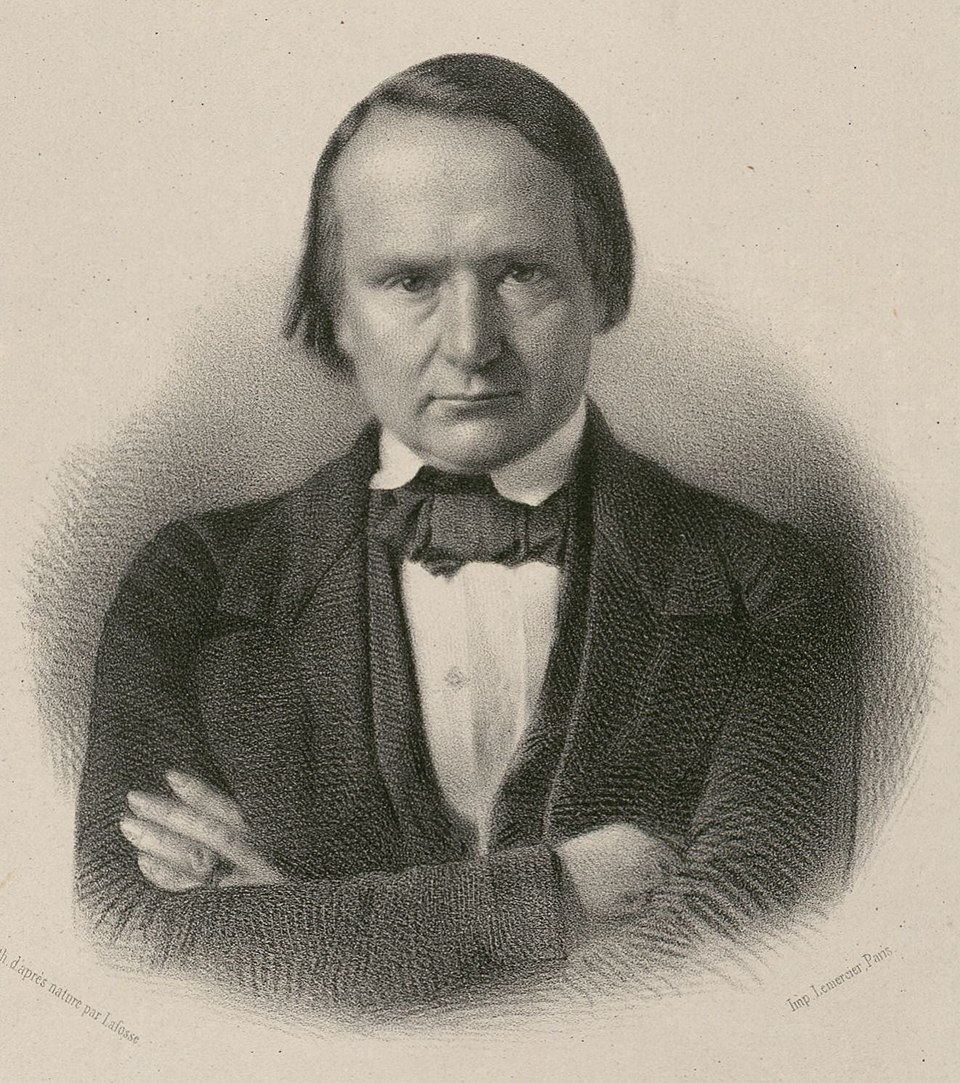
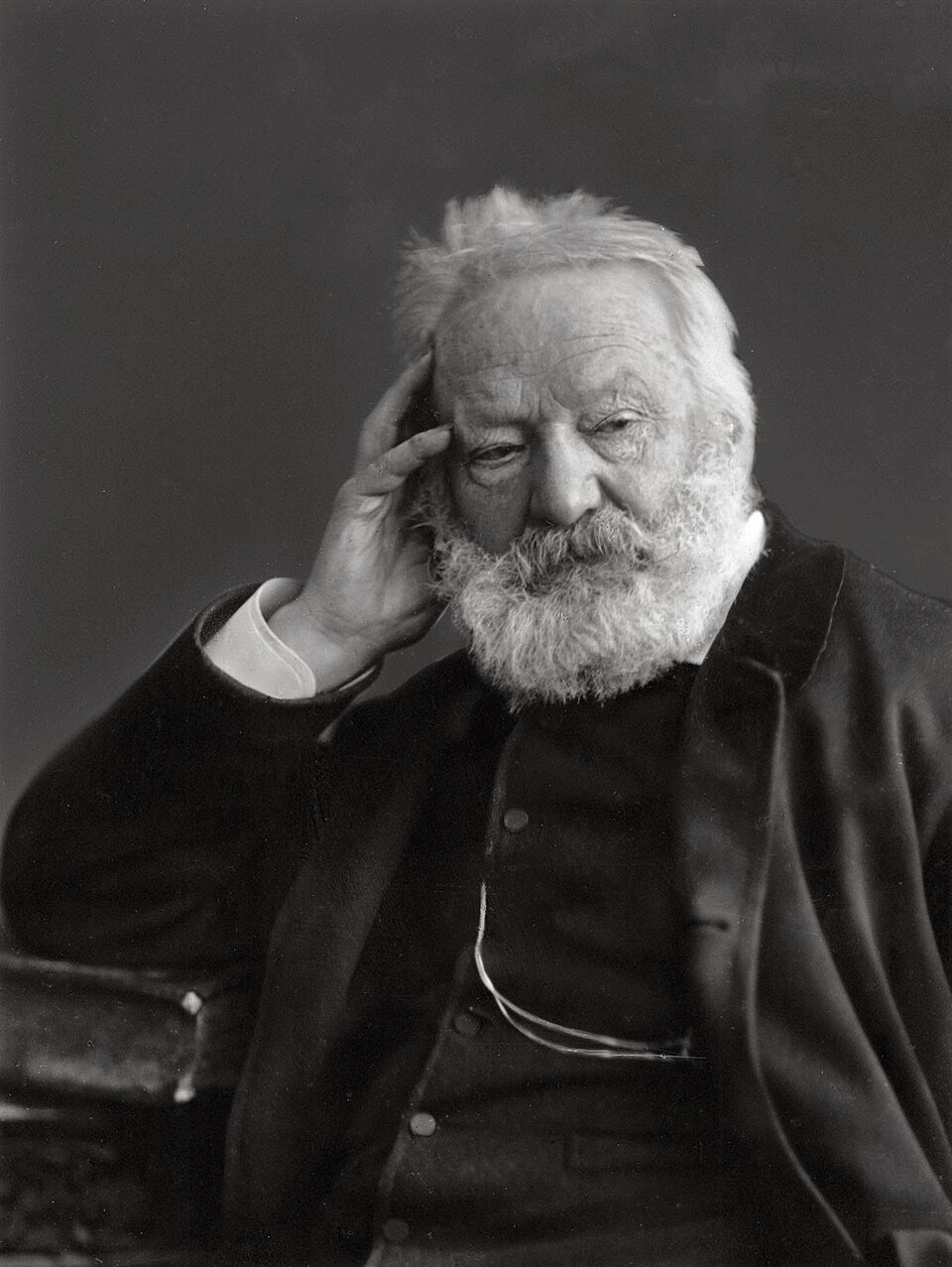
On this 22nd of May, we remember one of the greatest Frenchmen who ever lived: Victor Hugo (1802–1885). Le 22 mai 1885, un homme meurt avenue d'Eylau, à Paris. Dix jours plus tard, deux millions de personnes marchent derrière son cercueil.
Novelist, poet, playwright, statesman, and human rights defender, Hugo dominated the 19th century like few others.
From Notre-Dame de Paris to Les Misérables, he gave a voice to the people, fought for justice, and shaped the soul of modern France.
Yet behind the public titan hid a man forever marked by profound personal grief.
Today, more than anything, we remember him as a grieving father.
Léopoldine: The Wound That Never Healed
On September 4, 1843, Hugo’s eldest daughter Léopoldine, aged just 19, drowned in the Seine at Villequier
along with her young husband Charles Vacquerie.
Their boat capsized in a sudden squall.
The tragedy shattered Hugo. He was traveling in Spain at the time and only learned of the death weeks later through a newspaper.
The pain never left him. It became the emotional core of his greatest poetic work, Les Contemplations (1856).Demain, dès l’aube…
(Full Poem)Here is the complete poem, one of the most beautiful and heartbreaking in the French language, written in 1847
Demain, dès l’aube…
Demain, dès l’aube, à l’heure où blanchit la campagne,
Je partirai. Vois-tu, je sais que tu m'attends.
J’irai par la forêt, j’irai par la montagne.
Je ne puis demeurer loin de toi plus longtemps.
Je marcherai les yeux fixés sur mes pensées,
Sans rien voir au dehors, sans entendre aucun bruit,
Seul, inconnu, le dos courbé, les mains croisées,
Triste, et le jour pour moi sera comme la nuit.
Je ne regarderai ni l’or du soir qui tombe,
Ni les voiles au loin descendant vers Harfleur,
Et quand j’arriverai, je mettrai sur ta tombe
Un bouquet de houx vert et de bruyère en fleur.
This poem is not just literature — it is a father walking toward his daughter’s grave, carrying the weight of the world in silence.
Victor Hugo a 83 ans. Depuis une semaine, la France entière suit son agonie dans les journaux. Des milliers de Parisiens se relaient devant son… pic.twitter.com/RpKKhd5lLn
The 15 km Walk: From Yvetot to Villequier
Every year, thousands of people undertake the same pilgrimage that Hugo himself made many times:
the 15-kilometer walk from Yvetot station to the village of Villequier.
This route, through the peaceful Normandy countryside, fields, and forests, has become a path of remembrance.
Walking these roads, one feels the same melancholy, the same quiet determination that Hugo described.
Arriving at the small cemetery overlooking the Seine, where Léopoldine and Charles rest side by side, is an incredibly moving experience.
The modest grave, the river flowing below, the wind in the trees
— everything still carries the echo of that terrible day in 1843.
Hugo returned to Villequier regularly until the end of his life.
Even in exile on Guernsey, he never forgot.
A Giant of Humanity
Victor Hugo was much more than a writer. He fought against the death penalty, defended the poor, welcomed exiles, and believed passionately in progress and fraternity.
On his death on May 22, 1885, two million people followed his funeral procession — the largest in French history.
But on this particular day, we remember him not only as the giant who wrote Les Misérables,
but as the broken father who gave us one of the most beautiful poems ever written about love and loss.
Victor Hugo, thank you.
Your words still walk with us — from Yvetot to Villequier, and far beyond.
« Je ne puis demeurer loin de toi plus longtemps. »
We still feel your presence among us.
Translate poem for English reader Translated by A.Z. Foreman
Tomorrow, at dawn, as the countryside grows bright,
I will set out. You see, I know you are waiting for me.
I will go by the forest, I will go by the mountain.
I can no longer stay far from you any longer.
I will walk with my eyes fixed on my thoughts,
Seeing nothing outside, hearing no sound,
Alone, unknown, back bent, hands crossed,
Sad, and for me the day will be like the night.
I will not look at the gold of the falling evening,
Nor at the sails in the distance descending toward Harfleur,
And when I arrive, I will place on your tomb
A bouquet of green holly and flowering heather.
A Few Notes on the Poem:
This is one of the most famous and emotionally powerful poems in the French language.
Hugo wrote it in memory of his daughter Léopoldine, who drowned at age 19 in Villequier.
The poem describes Hugo’s annual pilgrimage:
walking from Yvetot station to his daughter’s grave in Villequier (a walk of about 15 km).
<>The simplicity and sincerity of the language make it incredibly moving
— a father walking silently toward his lost child.
< B > My Personal Blog < B > List of all my Blog posts < B >
Article generated & inserted in SQL tables by AIs

FREDDY FRANCE Blog personnel
(c)FPe COPYRIGHT @FPDIEULOIS 2026